Brewing Guides
BrewHaven Guides
Brewing
Guides
Good brewing does not need to feel complicated. A few thoughtful details — water, time, temperature and proportion — can help tea, coffee and café-style drinks feel more balanced, expressive and enjoyable.
Choose Your Ritual
Four ways to begin.
Start with the drink you reach for most often. Each method follows the same idea: begin with a reliable baseline, pay attention to taste, then make small adjustments to suit your cup.
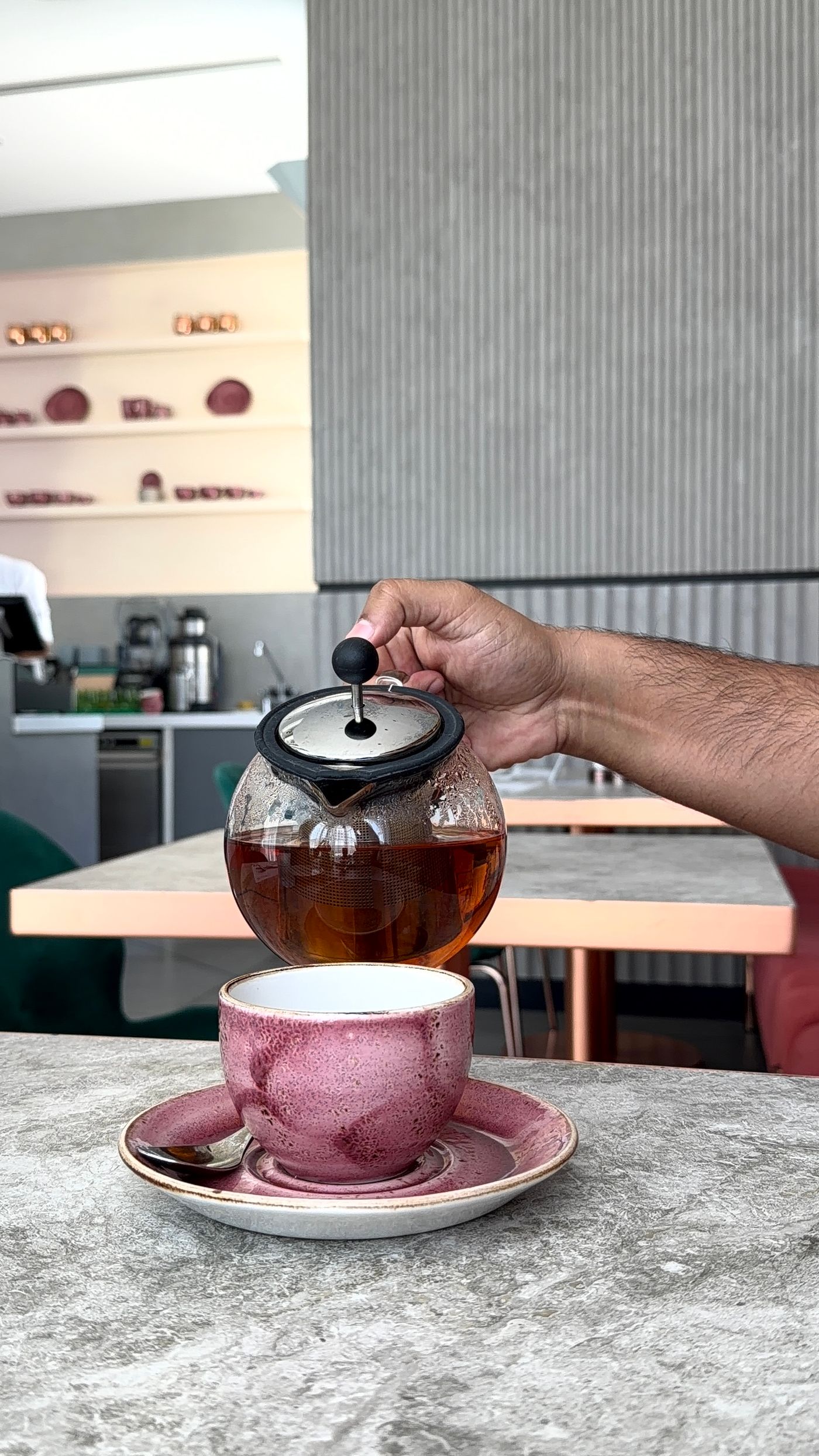
Guide 01 · Tea
Steep with clarity.
Match water temperature and steeping time to the style of tea, then taste before extending the infusion.
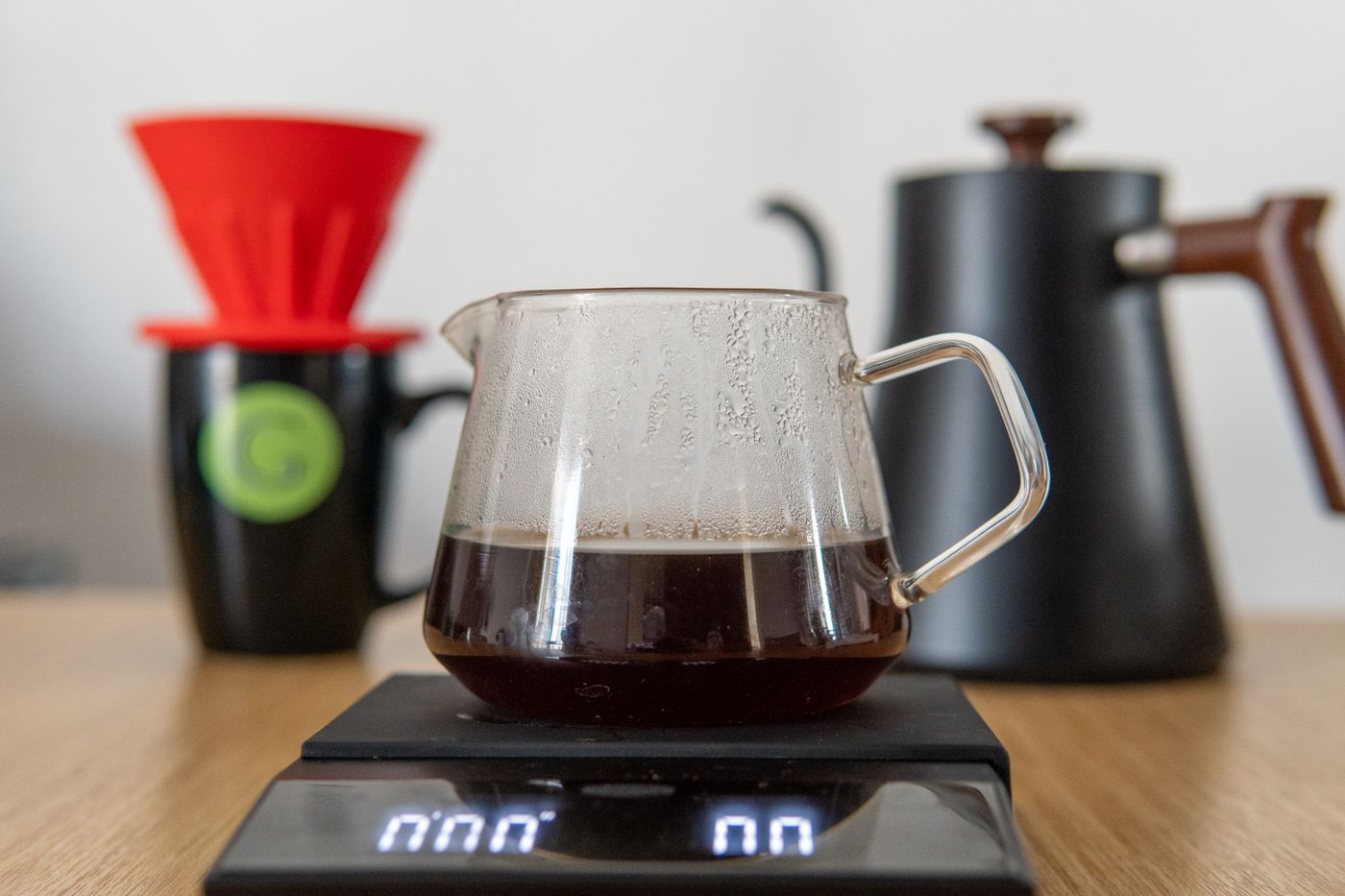
Guide 02 · Coffee
Pour with patience.
A steady pour and even saturation help create a clean, balanced cup with clarity from the first sip to the last.
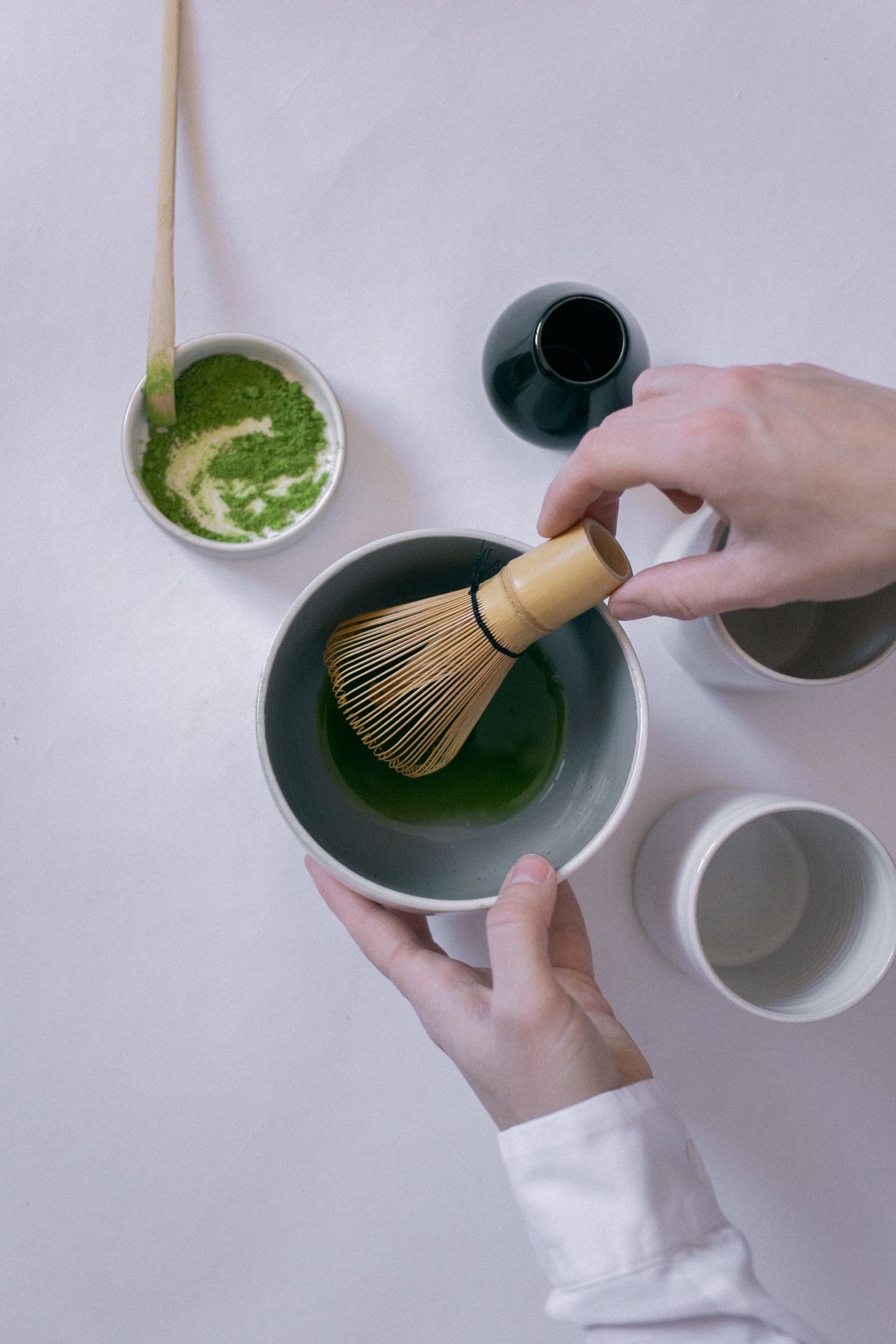
Guide 03 · Matcha
Whisk until smooth.
Sift first, use comfortably hot water rather than boiling water, and whisk briskly for a smooth, fine foam.
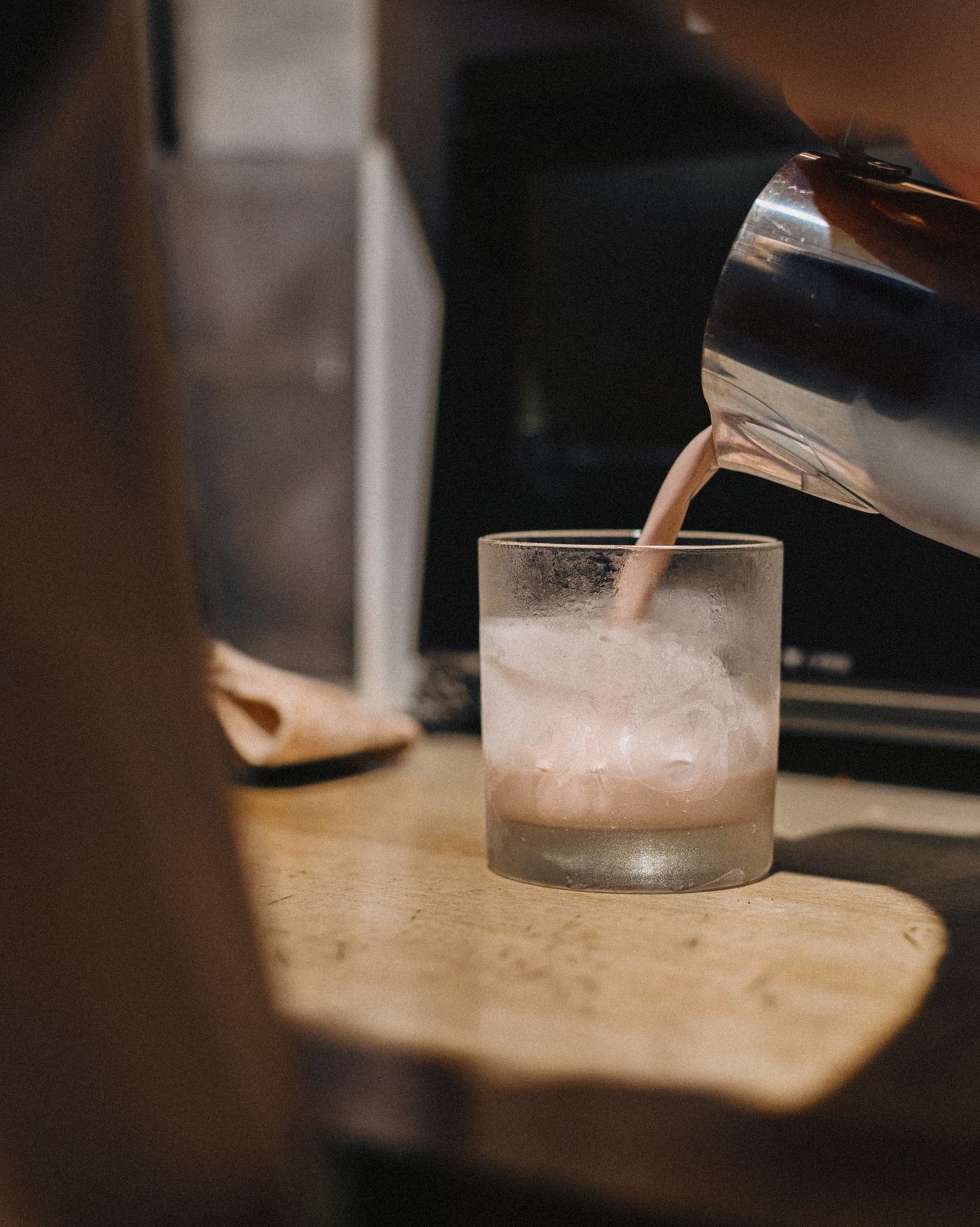
Guide 04 · Cold Brew
Let time do the work.
Coarse coffee, cool water and a long extraction create a smooth base that can be served over ice and adjusted to taste.
Brewing Foundations
Four details shape almost every cup.
Equipment matters less than consistency. Paying attention to a few variables makes it easier to understand why a drink tastes the way it does — and what to change next time.
Start with fresh water.
Water carries the entire brew. Use clean, fresh water and avoid repeatedly reheating the same kettle when possible.
Hotter is not always better.
Delicate tea and matcha usually benefit from cooler water, while darker teas and coffee generally tolerate more heat.
Extraction changes every second.
Shorter brewing can taste lighter and brighter. Longer brewing can add strength, but too much time may introduce dryness or bitterness.
Measure once, then adjust.
A consistent tea-to-water or coffee-to-water ratio gives you a reliable starting point and makes future adjustments easier.
Step by Step
Build your everyday method.
These measurements are designed as practical starting points. Different ingredients, equipment and personal preferences may call for slightly different proportions, temperatures or times.
Loose-Leaf Tea
A clear, balanced infusion.
Give tea leaves enough room to open, use water that suits the tea, and taste near the beginning of the suggested steeping window.
Warm your teaware
Rinse the cup or pot with hot water, then discard the water. This helps reduce sudden temperature loss during brewing.
Choose the water temperature
Try approximately 75–85°C for green tea, 85–95°C for oolong, and around 95°C for black or herbal tea.
Steep without disturbing the leaves
Begin with roughly 2–3 minutes for green tea, 3–5 minutes for black or oolong tea, and around 5–7 minutes for many herbal infusions.
Taste and refine
If the cup feels weak, use slightly more tea or extend the steep. If it feels dry or bitter, shorten the time or lower the temperature.
Pour-Over Coffee
Clean flavor through an even pour.
Pour-over brewing rewards consistency. Grind, water temperature, pouring pace and total brew time work together to shape the cup.
Rinse the filter
Rinse the paper filter with hot water, warm the brewer and vessel, then discard the rinse water.
Add medium-ground coffee
Level the coffee bed gently. A ratio between approximately 1:15 and 1:17 is a useful starting range.
Bloom first
Add enough water to fully wet the grounds and allow roughly 30–45 seconds before continuing the pour.
Pour steadily
Continue in controlled pulses, keeping the coffee bed evenly saturated without aggressively pouring against the filter wall.
Whisked Matcha
Smooth texture, bright character.
Matcha preparation is quick, but small details matter. Sifting helps prevent clumps while a brisk whisk creates a finer texture.
Sift the matcha
Pass the matcha through a fine sieve directly into the bowl to create a smoother starting texture.
Add warm water
Avoid freshly boiling water. A lower temperature can help preserve a softer, more balanced character.
Whisk briskly
Use quick back-and-forth movements rather than stirring in circles until the surface develops a fine foam.
Serve as you like
Enjoy the matcha as prepared or add warm or chilled milk for a café-style matcha latte.
Cold Brew Coffee
Slow extraction for an easy pour.
Cold brew is forgiving and convenient. Coarse grounds, cool water and time create a smooth base that can be diluted or served over ice.
Combine coffee and water
Add coarse-ground coffee to a suitable container and pour cool water evenly over the grounds.
Make sure everything is wet
Stir gently just enough to ensure no dry pockets remain, without aggressively agitating the mixture.
Let it extract slowly
Allow approximately 12–16 hours, then filter the coffee thoroughly to remove the grounds.
Taste before serving
Serve over ice and adjust with water or milk if the brew feels more concentrated than you prefer.
Adjust by Taste
Your cup is the final guide.
Recipes provide consistency, but taste tells you what to change. Adjust one variable at a time so you can understand its effect before changing something else.
If it tastes
Too light or thin
Try using slightly more tea or coffee, extending the brew time, or adjusting the grind finer where appropriate.
If it tastes
Too bitter or dry
Try reducing the brew time, lowering the water temperature, or using a slightly coarser coffee grind.
If it tastes
Sharp or underdeveloped
A little more extraction may help. Consider a slightly longer brew, warmer water or a finer grind for coffee.
If it tastes
Stronger than you prefer
Use less product, add more water, shorten the extraction, or dilute concentrated cold brew before serving.
Brewing Questions
A few useful things to know.
Do I need special equipment to make better tea or coffee?
Not necessarily. Consistent measurements, fresh water, appropriate temperature and attention to brewing time often make a greater difference than adding complicated equipment.
Why should green tea use cooler water?
Many green teas are more delicate than black or herbal teas. Using slightly cooler water can help create a softer cup and reduce excessive bitterness or dryness.
Why does my pour-over coffee brew too quickly?
A very fast brew may be related to a grind that is too coarse, a fast pouring rate or an uneven coffee bed. Try making one small adjustment at a time and compare the result.
Why is my matcha difficult to whisk smoothly?
Sifting the matcha before adding water can reduce clumps. A bamboo whisk and quick back-and-forth motion can also help create a more even texture.
Can I change the recipes to suit my taste?
Yes. These guides are intended as starting points. Adjust the amount, time, temperature or dilution gradually until the finished drink suits your preference.
Continue Your Ritual
Find a drink worth slowing down for.
Explore BrewHaven's selection of tea, coffee, matcha, café-style drinks and alcohol-free refreshments for everyday brewing and serving moments.
Looking for something specific or need help choosing a drink? Browse the complete selection or reach our Customer Care team.